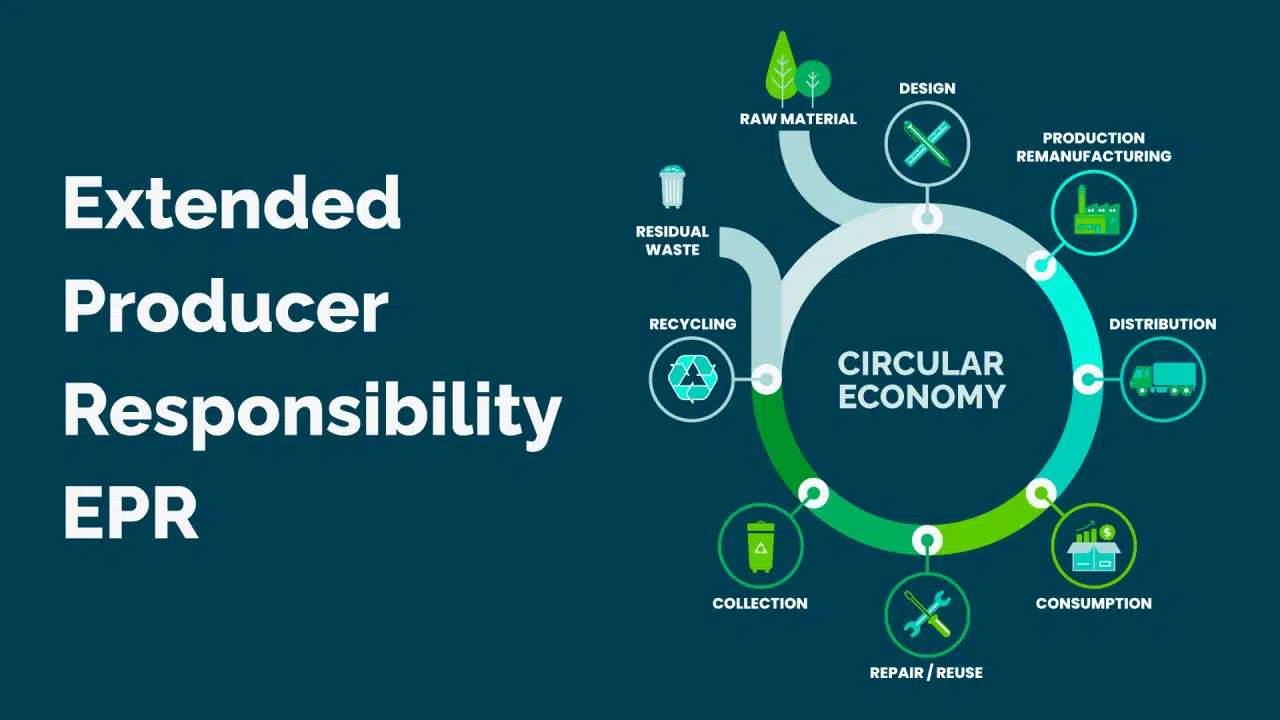
California’s new Extended Producer Responsibility (EPR) law for packaging is setting a precedent for how companies manage and report packaging data — and the automotive aftermarket is part of that transformation.
Beginning January 1, 2027, producers that sell or distribute packaged products in California will face new obligations: registering with the state, reporting detailed packaging data, and meeting ambitious recyclability and reduction targets. These requirements represent more than a regulatory hurdle — they signal a broader shift toward data transparency and accountability across the value chain.
A Shift Toward Measurable Accountability
California’s EPR law aims for all packaging to be recyclable or compostable by 2032, with a 65% recycling rate for single-use plastics and a 25% reduction in plastic packaging by both weight and component count.
To achieve these goals, producers will need to know — and be able to demonstrate — exactly what materials make up their packaging. For many automotive manufacturers and distributors, that means bridging long-standing data gaps: where packaging information lives, how it’s tracked, and whether it’s reliable enough for reporting and decision-making.
Clean Data as a Compliance Enabler
While compliance itself will depend on evolving state and PRO (Producer Responsibility Organization) requirements, one thing is clear: data quality will determine compliance readiness.
Companies with centralized, accurate product and packaging data will be able to:
- Identify what packaging materials and components they use across their product lines
- Report to CalRecycle or the Circular Action Alliance with greater accuracy and less manual effort
- Spot opportunities to simplify, reduce, or redesign packaging before mandates take effect
Clean data isn’t just a reporting asset — it’s a foundation for informed strategy, operational resilience, and sustainable growth.
What This Means for the Automotive Aftermarket
Automotive producers — including aftermarket brands, importers, and private-label owners — face unique complexity. Parts are often packaged, labeled, and distributed through multiple channels, each with its own data systems and standards.
Consolidating that information into a single, reliable source creates benefits beyond compliance:
- Improved visibility into packaging composition and sourcing
- Faster response to reporting and certification requests
- Stronger alignment between sustainability and business objectives
At PDM Automotive, we help brands and distributors achieve that visibility by centralizing product and packaging data, ensuring it’s complete, consistent, and actionable. That foundation helps companies stay adaptable as EPR requirements take shape.
Preparing for What’s Next
The first milestone — California’s Baseline Report, due November 15, 2025 — will use 2023 data to establish reduction benchmarks and fee structures. Organizations that have invested early in clean, connected data will be better equipped to respond to these evolving requirements and to capture potential incentives for sustainable design.
The Bigger Picture
EPR laws like California’s are redefining what it means to be a responsible producer. For the automotive aftermarket, this is an opportunity to lead through data integrity — turning compliance preparation into a broader commitment to transparency and efficiency.
The companies that treat product data as a strategic asset today will be the ones best positioned to thrive in tomorrow’s regulatory landscape.
Contact PDM Automotive to Learn More
About PDM Automotive
PDM Automotive is the leading SaaS and AI platform in the automotive parts aftermarket, helping suppliers, distributors, and retailers grow smarter with frictionless cataloging, sales, and category management. Learn more at https://pdmautomotive.com/